Positioning data is getting more accurate and reliable all the time. Satellite and GPS compasses are evolving technologies that supply additional data to onboard electronics such as autopilots, radar and chartplotters. Below are five of the best.
The lineup is part of an exercise we do every year at Marine Electronics Journal. We call it the Best & Brightest Boating Electronics and ask manufacturers to name the one model in a particular category—from fishfinders to VHFs—that they consider to be their best. It’s not necessarily the most technically advanced or newest or the one with the most whistles and buzzers, but rather the model they rate highest in that category for one reason or another. Could be the functions and features it offers, or maybe it breaks new ground in maximizing effectiveness or utility, or maybe it’s the most popular as measured by sales to boaters. In some cases it has proved itself over the years as the go-to device.
Last week we rolled out the Best & Brightest network gateways.
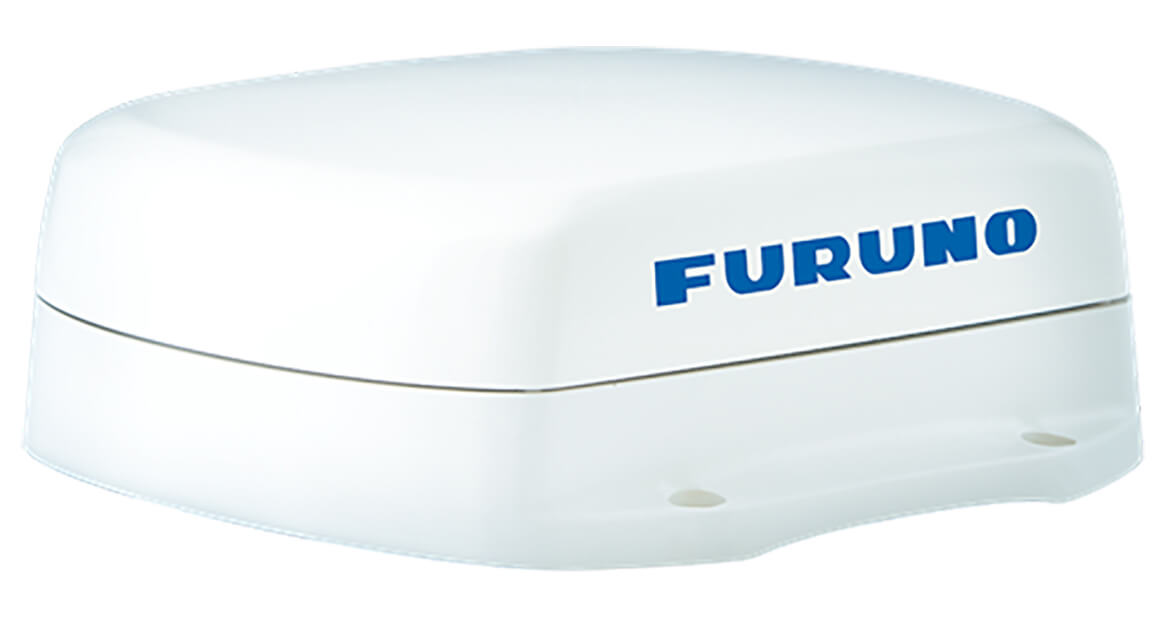
The NMEA 2000 SCX20 satellite compass has raised the bar for multipath mitigation, accuracy, and reliability, thanks to Furuno’s unique Baseline Target Architecture. The four-antenna array of the SCX20 is configured in a manner that creates six unique baselines from which to calculate accurate heading information, even in severe environments. The compact size, flexible mounting capabilities, and unique quad-antenna design of the SCX20 make the unit capable of calculating precise heading, pitch, roll, and heave information, even when line-of-sight is limited to only a single satellite. Having multiple baselines makes the SCX20 an ideal heading solution for even the most challenging of vessel installations. It is a match for your TZtouchXL, TZtouch3, or TZtouch2. Also available is the NMEA 0183 version, the SCX21.
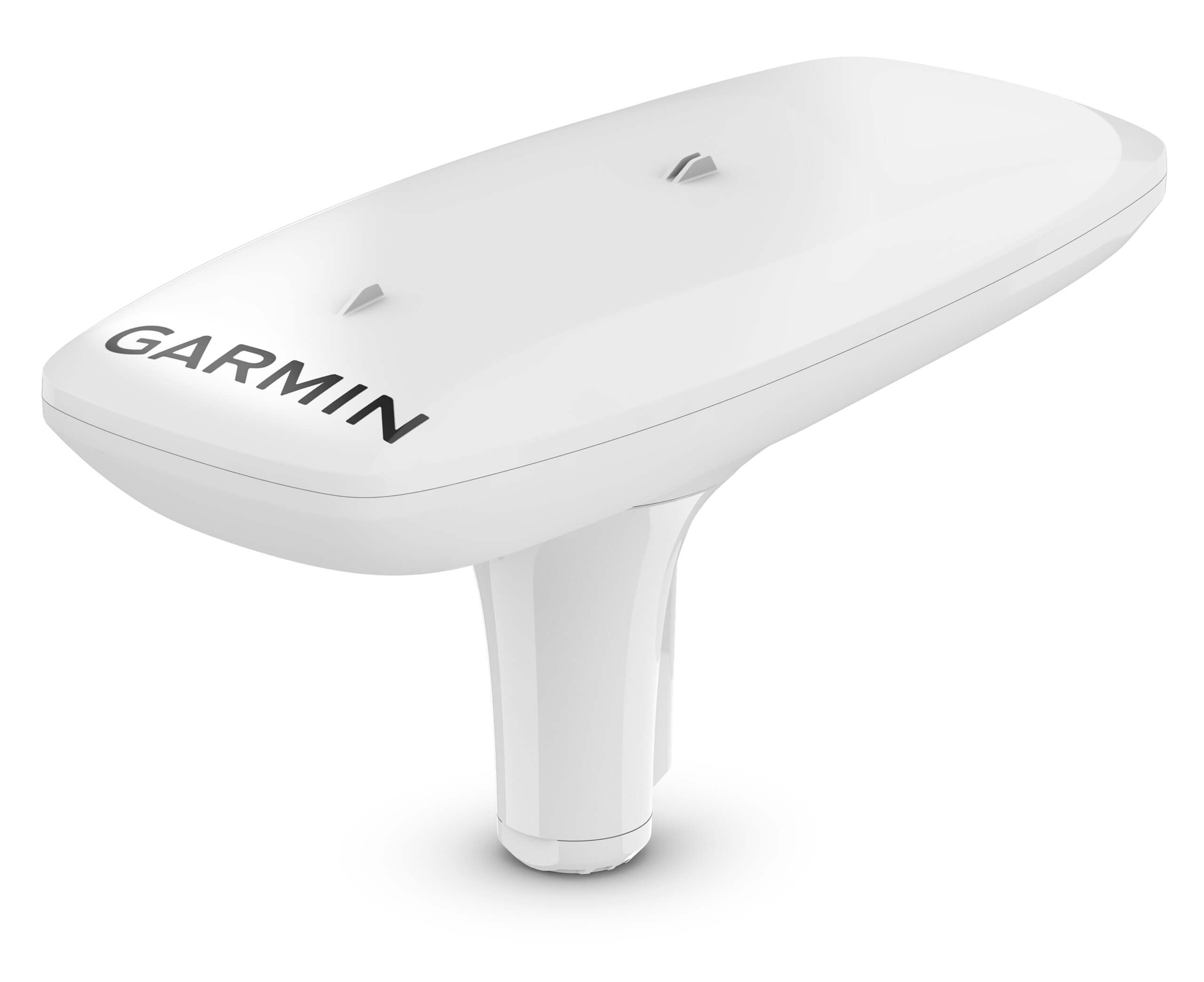
Know exactly where you’re headed with the Garmin MSC 10 marine satellite compass. Easily install this GPS-based heading sensor with a fully integrated attitude and heading reference system for better GPS heading at high speeds. The multi-band GNSS (Global Navigation Satellite System) (L1 and L5 GPS) receiver enables position accuracy to within 1 meter. Plus, the GPS-based compass won’t be impacted by magnetic interference. It can even deliver boat heave information to your chartplotter via the NMEA 2000 network. You can also use MSC 10 as the primary sensor for autopilots and all your onboard systems that need accurate heading information.
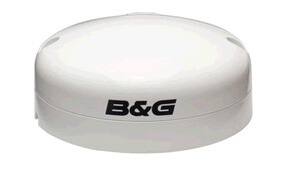
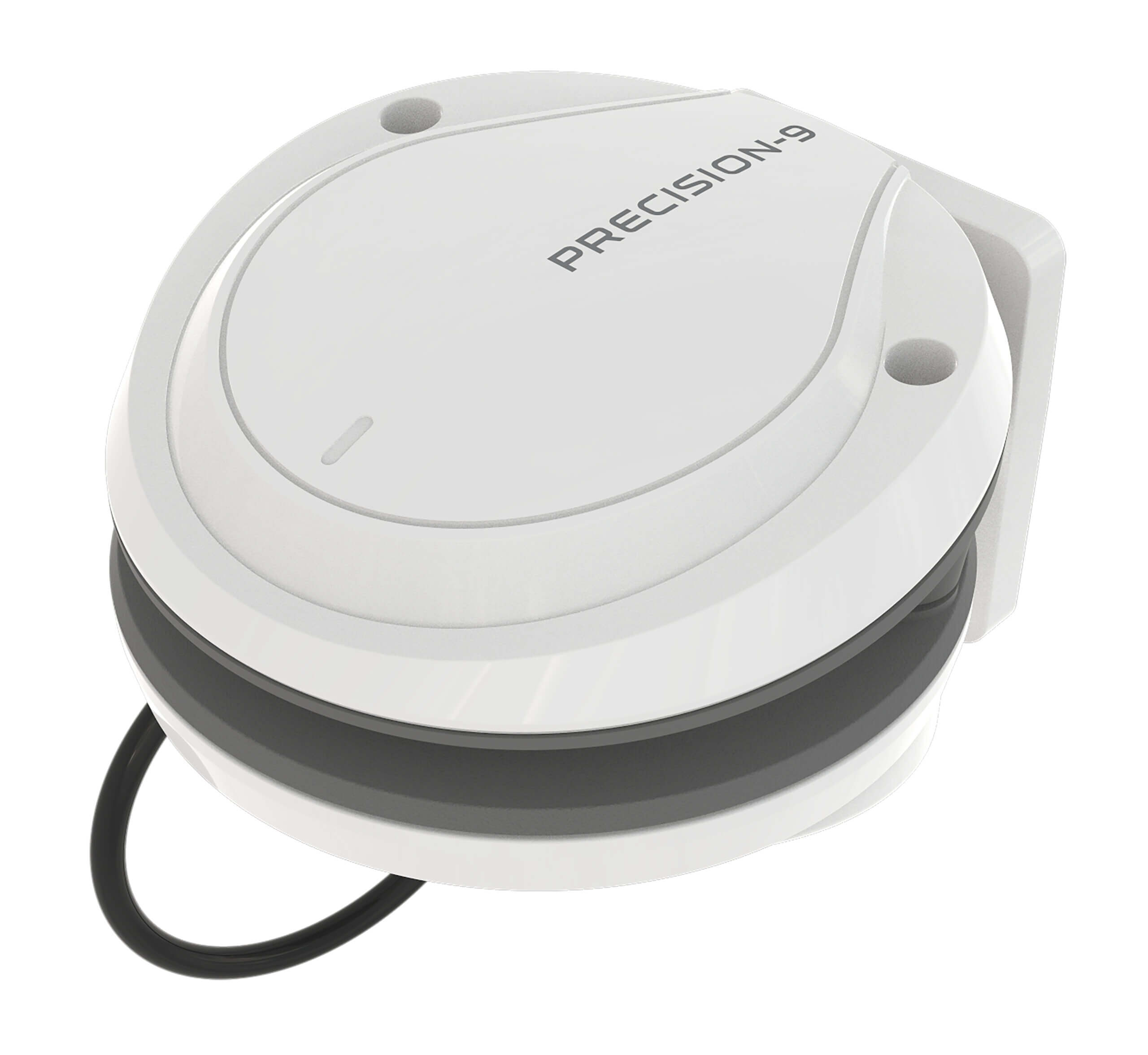
The B&G ZG100 GPS antenna provides precise and dependable position data, making it the ideal partner for B&G chartplotters and instrument systems. The highly accurate 10Hz GPS gives precise and smooth update position information during acceleration and maneuvering rapid signal acquisition and consistent position accuracy augmented by secondary satellite systems like WAAS, EGNOS, MSAS and Galileo. It is also QZSS-ready. The integrated compass delivers accurate heading information for instruments and chart stabilization for Head Up mode and radar overlays. It also provides heel and trim data for sailing. Please note, this product is not suitable for use with MARPA (Mini-Automatic Radar Plotting Aid) or B&G Pilot systems, which require a rate compass such as the Precision-9, RC42 or Halcyon Gyro-Stabilized Compass.
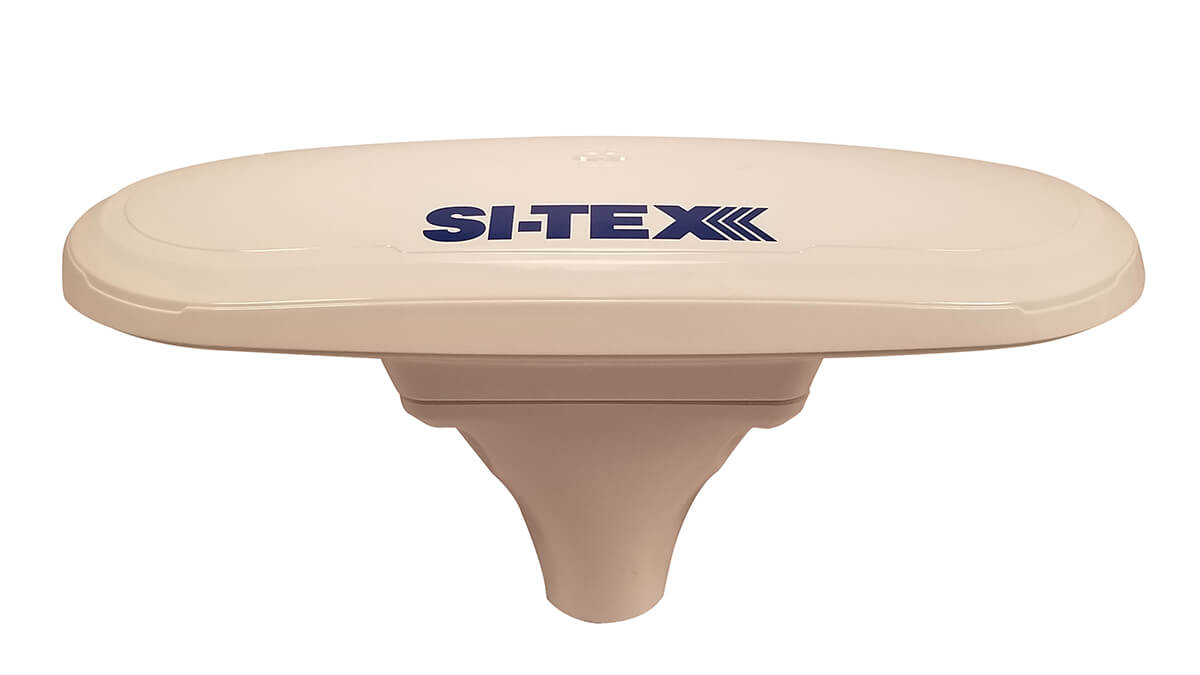
The new SI-TEX V200 NMEA 2000 GPS Satellite Compass optimizes accuracy and performance for today’s most advanced marine electronics systems. The multi-GNSS V200 features a 424-channel receiver that uses all known satellite systems, including GPS, GLONASS, Galileo, BeiDou and QZSS. Optional Atlas GNSS global correction service provides sub-meter 30cm (11.8 inch) RMS accuracy. The 13.7-inch antenna provides 0.75° heading accuracy and onboard spectrum analysis for excellent in-band and out-of-band interference rejection. Integrated gyro sensors deliver fast heading reacquisition, smooth heading readings and reliable 1° per-minute heading for up to 3 minutes after temporary loss of GPS. Built-in tilt sensors provide pitch, heave, and roll data. Advanced performance includes 60-second cold-start acquisition, 10-second hot start and 100° per-second maximum rate of turn.