
This week we focus on electronic devices that perform specific monitoring and control functions for engine, electrical and fuel systems. Last week we told you about some of the best electronic devices that give boaters the tools to monitor and control several onboard functions. Next time, we roll out devices aimed at safety and survival.
The lineup is part of an exercise we do every year at Marine Electronics Journal that we call the Best & Brightest Boating Electronics. We ask manufacturers to name the one model in a particular category of boating electronics—from autopilots and electronic charts to fishfinders and radars—that they consider to be their best. It’s not necessarily the most technically advanced or newest or the one with the most whistles and buzzers, but rather the model they rate highest in that category for one reason or another. Could be the functions and features it offers, or maybe it breaks new ground in maximizing effectiveness or utility, or maybe it’s the most popular as measured by sales to boaters. In some cases it has proved itself over the years as the go-to device.
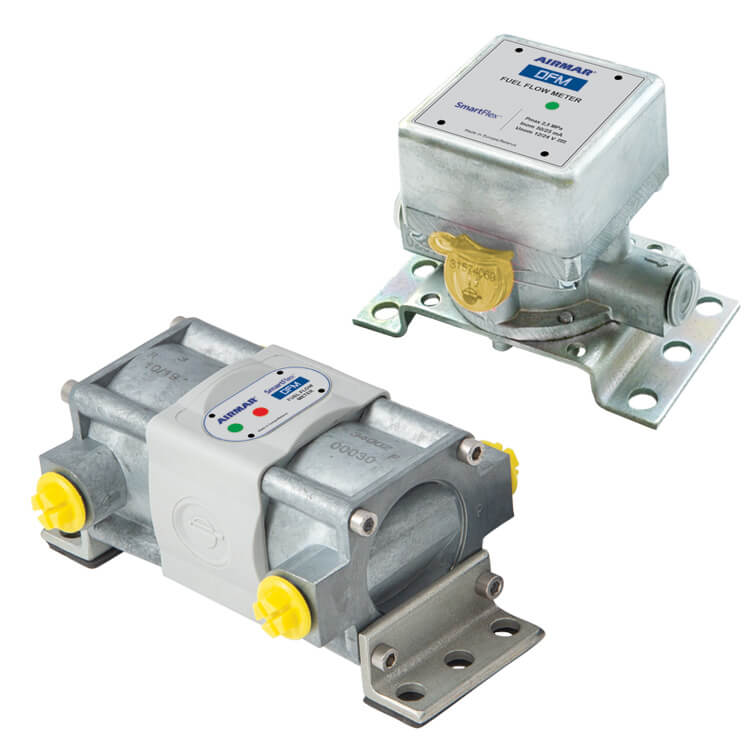
Airmar’s new SmartFlex single- and dual-chamber diesel flow meters deliver powerful fuel consumption data from diesel engine systems with flow rate requirements of up to 4,000 LPH. The meters are used in conjunction with Airmar’s SmartFlex and SmartBoat system where they are configured using SmartFlex View. The data is then available via NMEA 2000 or Signal K interfaces and used for system-wide monitoring and control, including configuration of alerts, automation and more. The addition of a SmartFlex Diesel Flow Meter to SmartBoat modules provides an easy and accurate way to monitor and manage every aspect of the fuel consumption of a diesel engine system. The valuable data it delivers adds to the abundance of onboard sensor data and networking capabilities SmartBoat modules already deliver to MFDs.
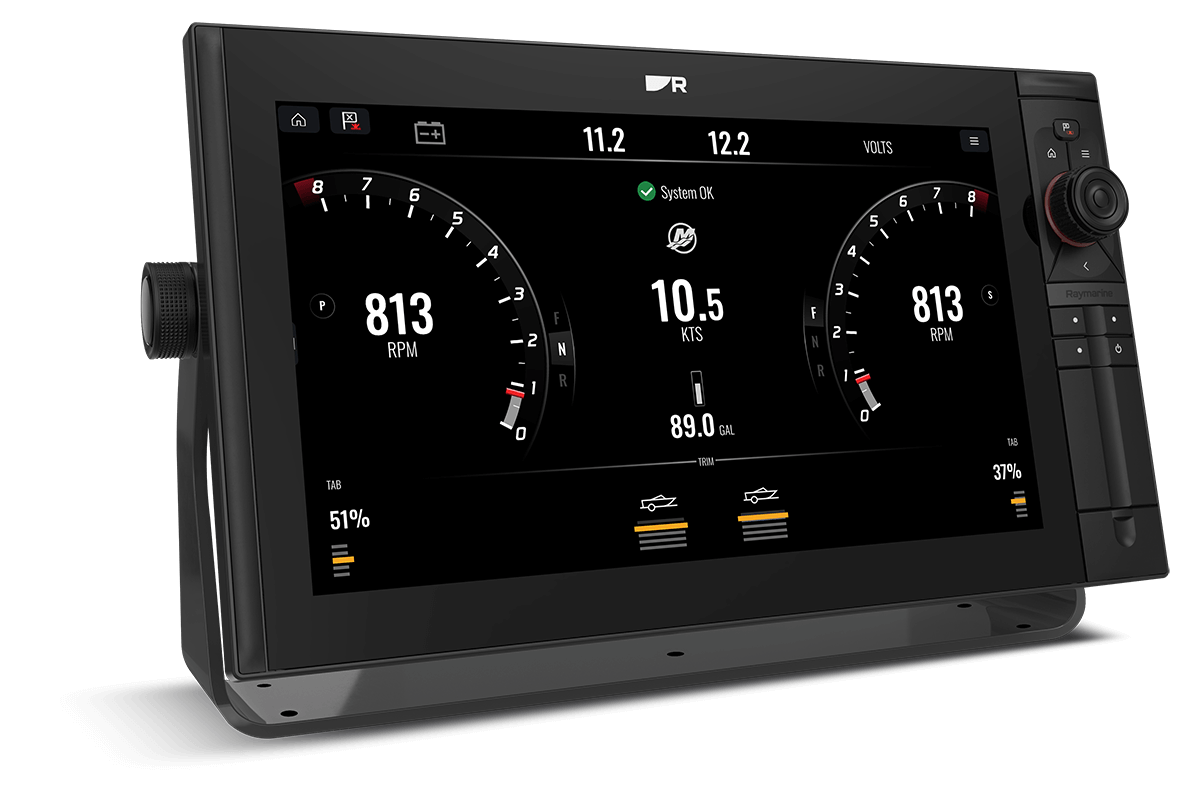
Mercury Marine is broadening access to its powerful VesselView function with the new SmartCraft Connect gateway. The new gateway delivers Mercury Marine’s premier engine-information-display experience to Raymarine Axiom, Axiom+, Axiom Pro, and Axiom XL users. Simply connect the SmartCraft gateway via NMEA 2000 to access vital performance data and alerts for up to four SmartCraft-compatible Mercury engines. Mercury VesselView for Axiom is accessed through a new VesselView app on the LightHouse 3 home screen. Raymarine Axiom and Mercury owners can also access VesselView data in the chartplotter, sonar, and radar apps through a slide-out sidebar display. VesselView alerts are available system-wide across every Axiom display in a Raymarine network.
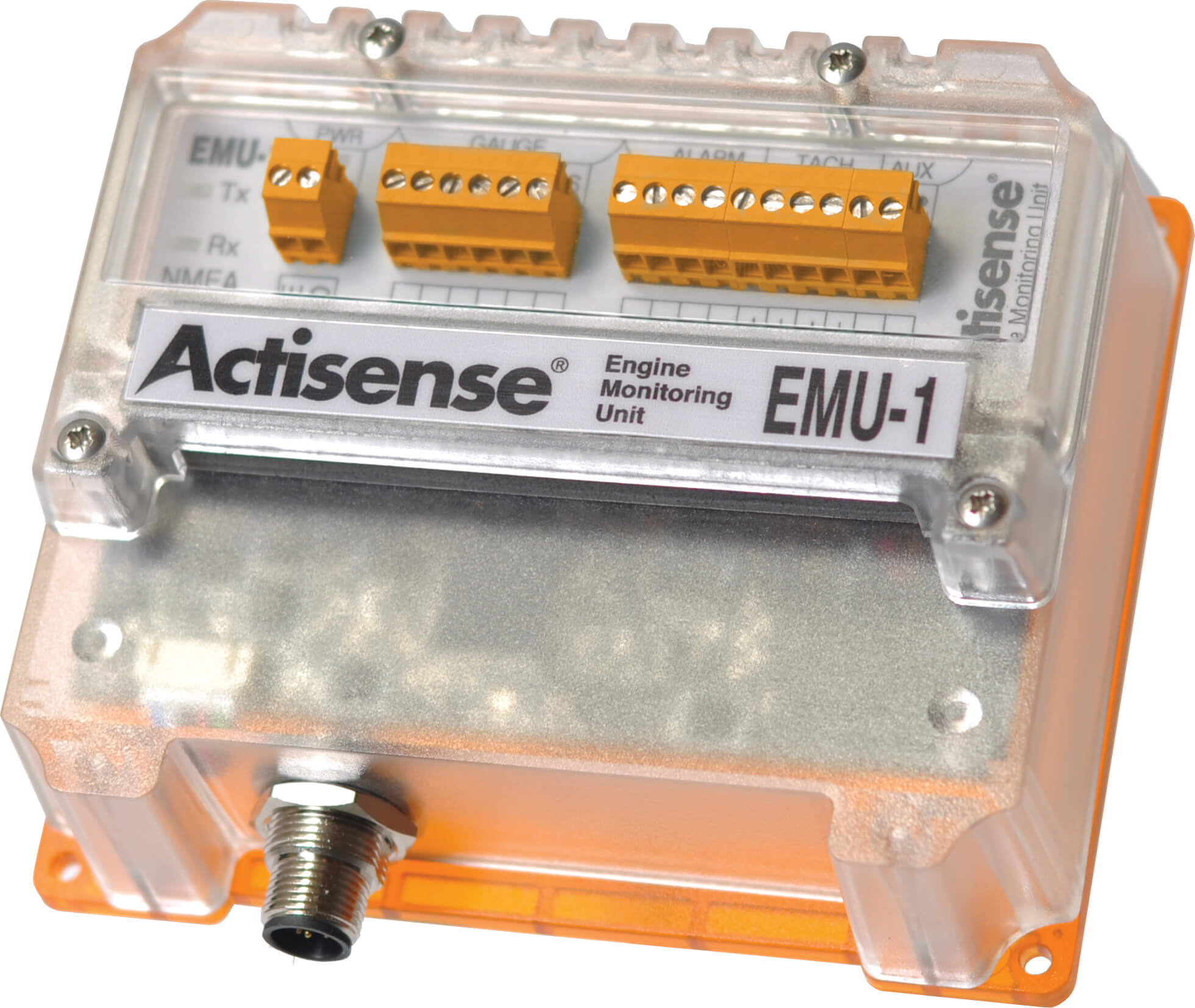
The Actisense EMU-1 (Engine Monitoring Unit) is a specialized analogue to NMEA 2000 gateway that converts data from analogue engine and fluid level gauges/senders into NMEA 2000 data. The EMU-1 enables the sharing of engine data by digitizing analogue sensors, enabling NMEA 2000 displays throughout a vessel to monitor and indicate engine parameters. The EMU-1 can monitor vital engine parameters such as temperature, pressure, RPM and fluid levels from one or two engines. The free Actisense Toolkit software has a large gauge library of pre-sets that covers the majority of engine sensors in use today, plus Custom Gauge Manager functionality to handle anything else. EMU provides six gauge/parameter inputs, four alarm inputs, two additional auxiliary inputs, two tach inputs and four diagnostic LEDs, all in an IP65 case.
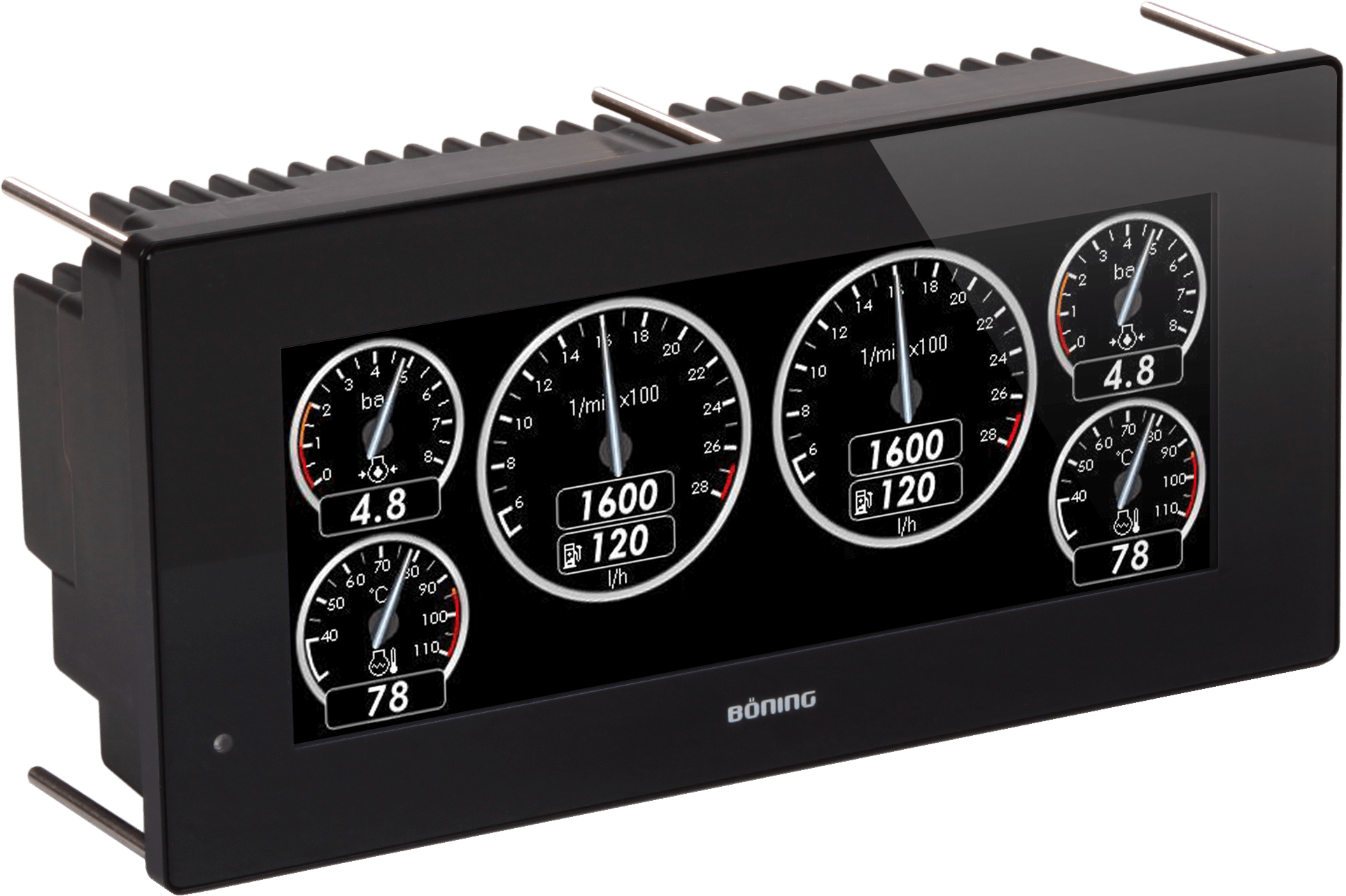
Böning describes its AHD 880 E as the most versatile engine display on the market. It can read up to three engines, or two engines plus a NMEA 2000 connection. The three CANBus connections are freely configurable to read different protocols, such as NMEA 2000 or SAE J1939. It is compatible with almost all marine engine manufacturers, including MAN, CAT, MTU, Volvo, etc. The versatile and user-friendly AHD 880 E can also help save money on fuel with its fuel efficiency functions that calculate trip consumption, fuel economy and distance to empty. The display also boasts an 8.8-inch touchscreen with transflective glass and an IP56 rating (front side). And with a power supply of 9 to 32VDC, you can be sure it’ll work with your boat’s electrical system.
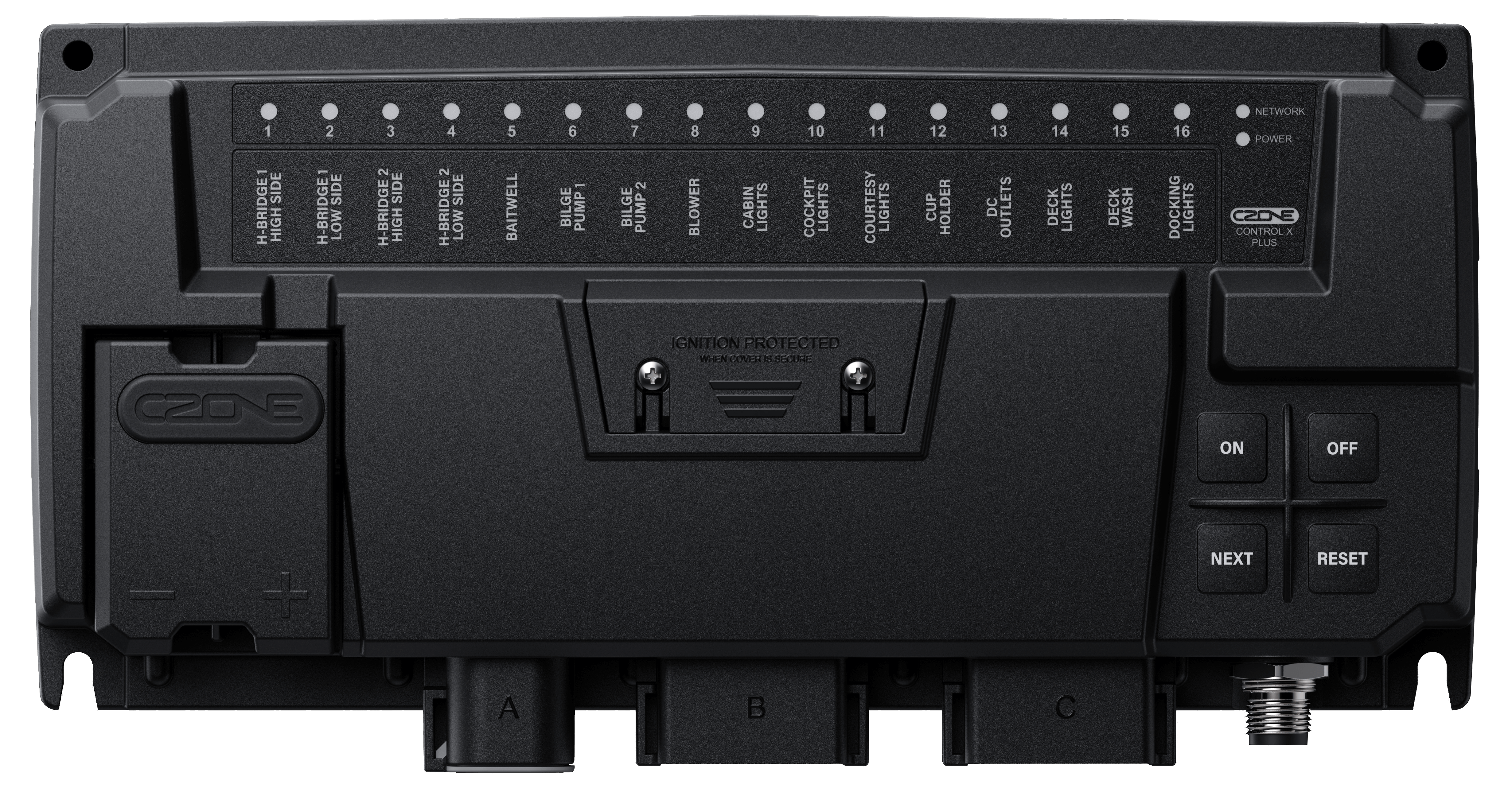
Control X is the smartest and sleekest CZone module and the first with a fully waterproof enclosure. Configurable input and output channels provide ultimate flexibility to optimize system design and installation. Control X uses the latest smart MOSFET switching technology, providing improved reliability and silent operation. Features such as single RGB lighting control zones, reversing motor H-bridge outputs and wiper motor synchronization eliminate the need for third-party controllers, giving installers complete flexibility to configure the modules to specific requirements.
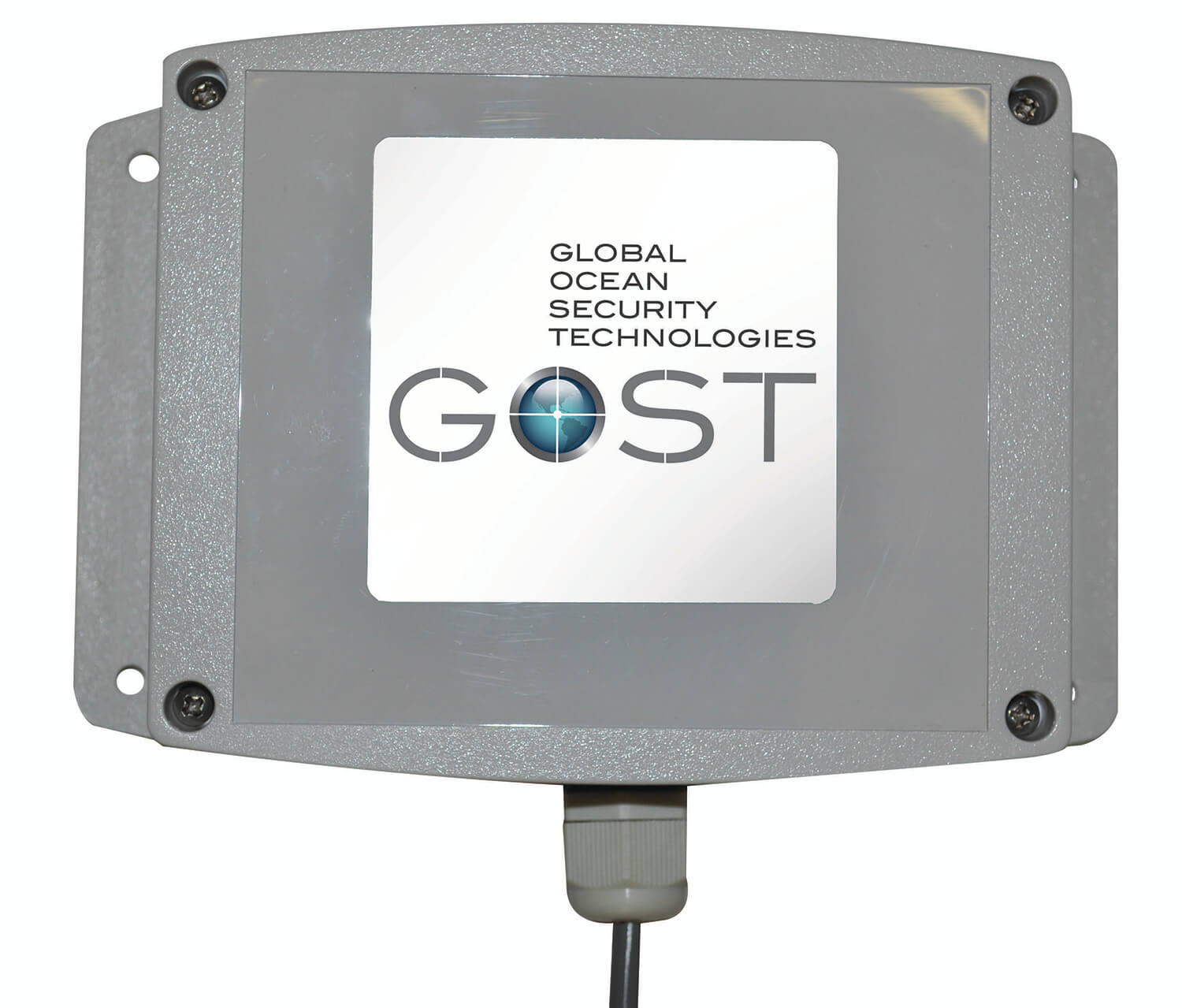
GOST IP67 Low Voltage Sensor (electrical)
The GOST IP67 Low Voltage Sensor is designed to stand up to the harsh marine environment and is set to trigger an alarm when the voltage drops below 11.6V (on 12V sensor) or 23.2V (on 24V sensor) for more than two minutes. This sensor will monitor any 12V or 24V battery bank. There is a dip switch on the circuit board that allows installers to switch the voltage monitored between 12 or 24V DC.
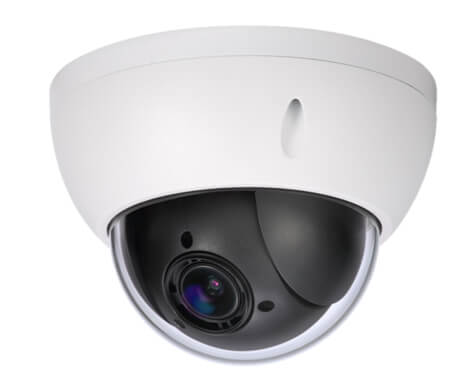
GOST MINI Dome PTZ 1080P AHD (engine)
The miniature GOST MINI Dome PTZ 1080P AHD camera is a discreet yet powerful safety solution for monitoring activity aboard, from the engine room to the cockpit. Measuring 4.8 inches in diameter, this camera is tiny compared to most Pan Tilt Zoom cameras and is a rugged marinized GOST camera that is tamper-proof and water-resistant for interior or exterior mounting. The camera includes a 2.0 Megapixel sensor that provides high-resolution 1080p images. The camera also has a 4x optical zoom lens and is compatible with the GOST WATCH HD-XVR HD for remote viewing, storage, and notifications.
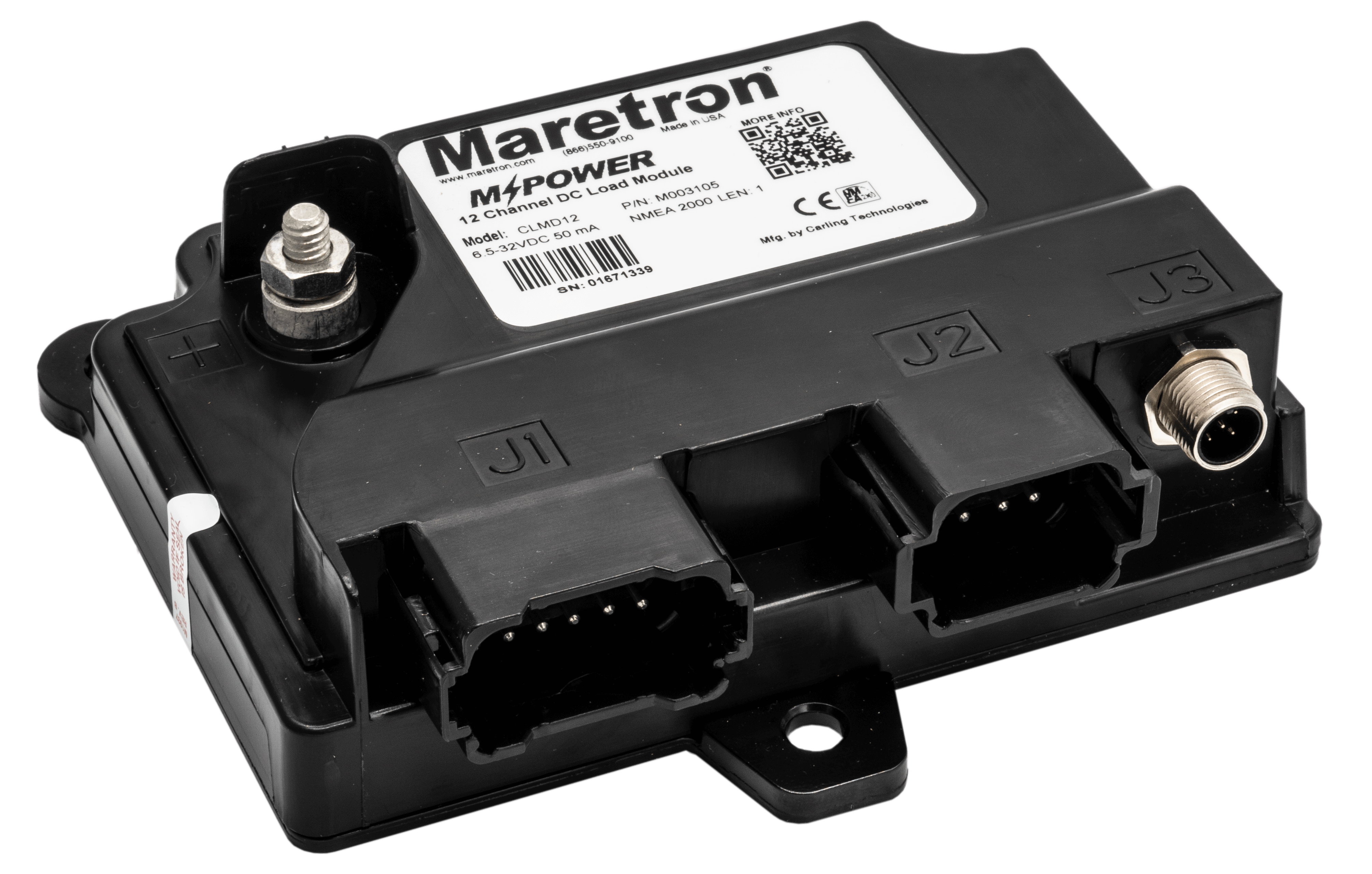
Designed for vessels of all sizes, the MPower CLMD12 is a compact 12-channel DC load controller. Two of the 12 breakers handle a maximum of 12 amps, six handle a maximum of 10 amps and four handle a maximum of 5 amps with a total current capacity of 75 amps. Additionally, circuits can be paralleled for additional capacity. Each of the 12 breakers has programmable settings. Up to seven hard-wired switches can be used to switch breaker states, or as inputs for other data such as bilge alarms or hatch positions, etc. Control or reset circuit breakers from the Maretron keypads or switch modules, MBB300C Black Box, TSM810C Touchscreen, compatible Garmin MFDs, or any device running Maretron N2KView V3 software (both onboard and remotely).
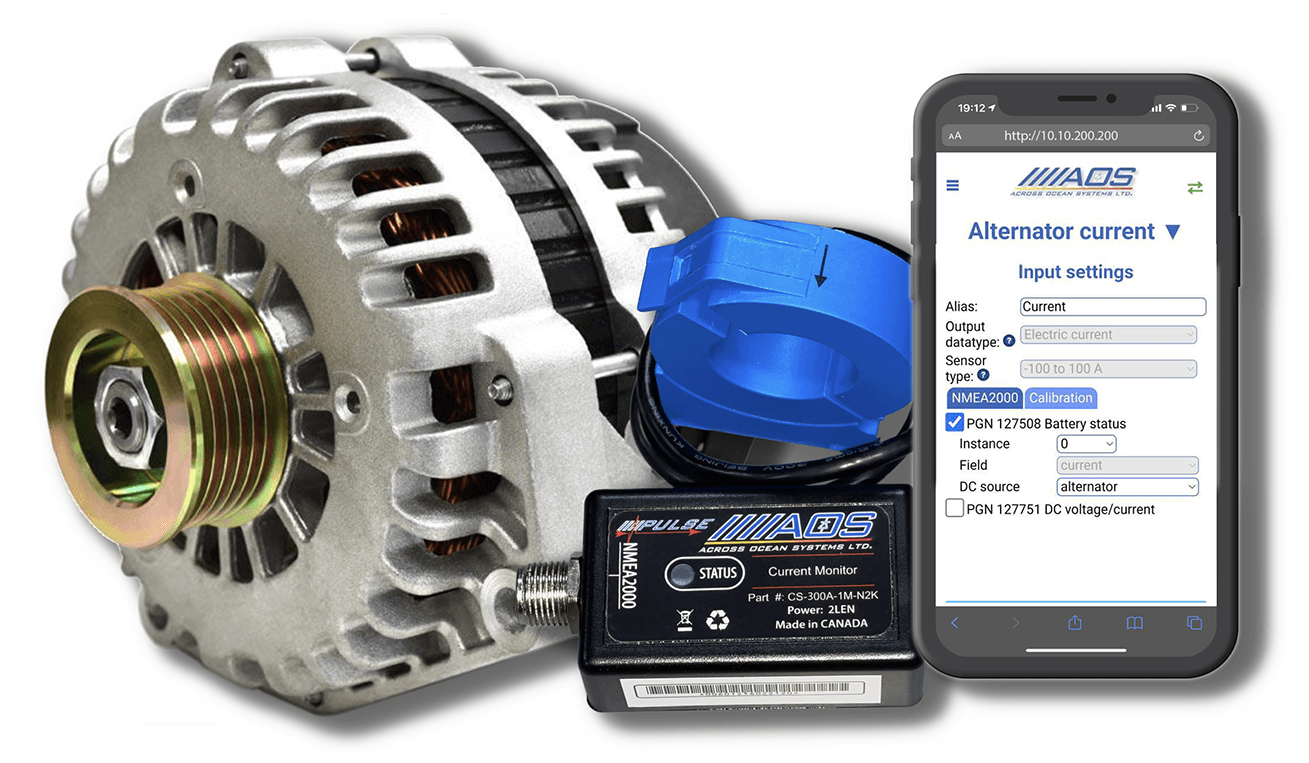
Across Ocean Systems Current Sensor
High-current sensors for DC systems from Across Ocean Systems, Ltd. offer non-intrusive operation. An advantage of this type of current sensor is that they do not interrupt high-current circuits, which means there is no danger of the connections heating up and discoloring or burning as seen on many DC shunt-based systems. If during use the current exceeds the sensor’s rated current, the sensor will not overheat and create critical situations as observed with shunt-type current sensors in overload mode. Another advantage is easy installation: just clip the current transformer onto the wire whose current you’re measuring and connect the device to your NMEA 2000 network.
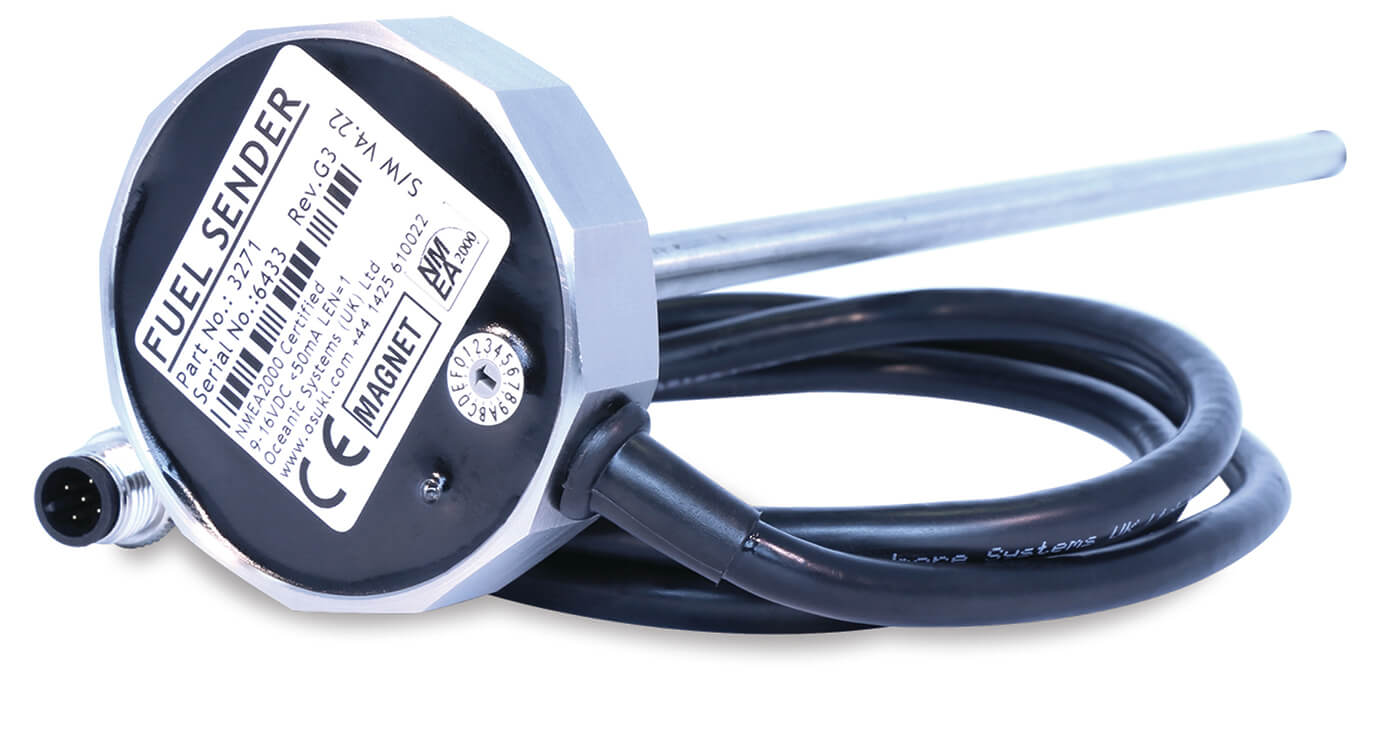
Oceanic SystemsFuel Level Sender
The Oceanic Systems Volumetric Fuel Sender provides highly accurate measurement and output of either the remaining fuel level or fuel volume to the NMEA 2000 network. With no moving parts and suitable for tank depths from 9 inches to 6.5 feet, it senses water contamination in the tank and will warn if any is found to protect the engine from expensive damage. It is accurate to ±2%, and to maximize its accuracy it automatically provides a stilling action to dampen any fuel motion in the tank when conditions are rough or when the boat is travelling quickly. It can also be programmed with up to 100 volumetric points, offering an accurate indication of the remaining volume of fuel in the tank.